On one side, the château de Jumilhac is set high above the valley of the River Isle. On the other side, it is situated right in the town and it is possibly the sheer close proximity to it that makes it feel so imposing.
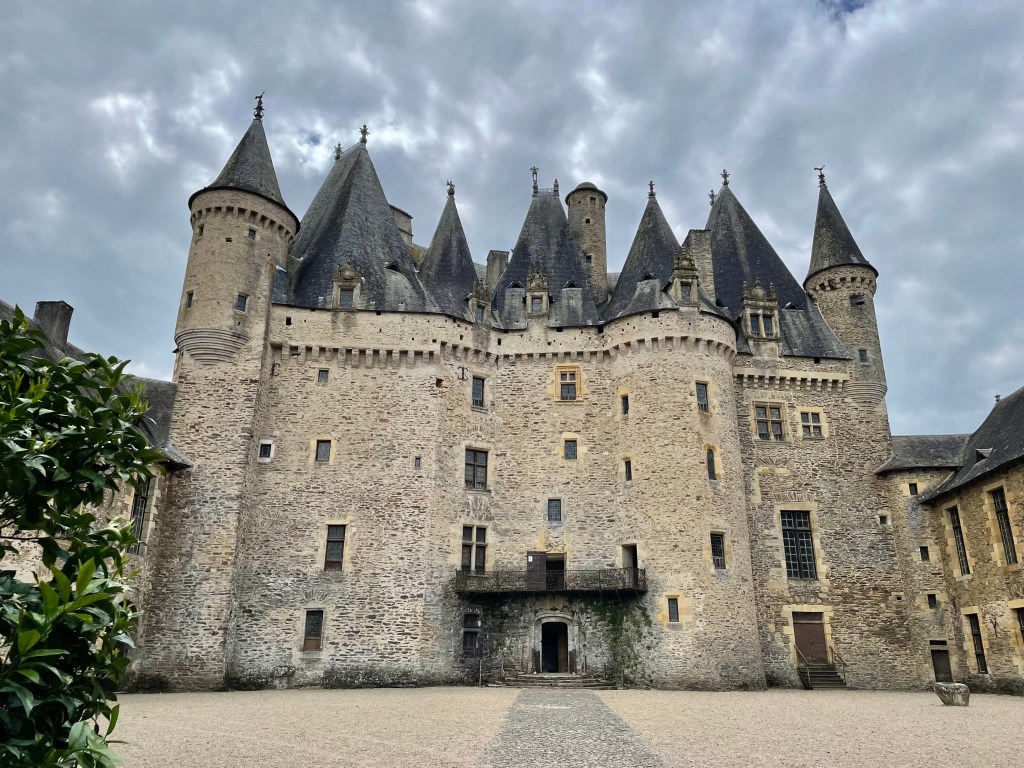
Parts of the castle date to the thirteenth century and throughout history it has been destroyed and rebuilt many times. For more than two centuries the castle was associated with gold that was mined locally. The mines were closed in 2001.
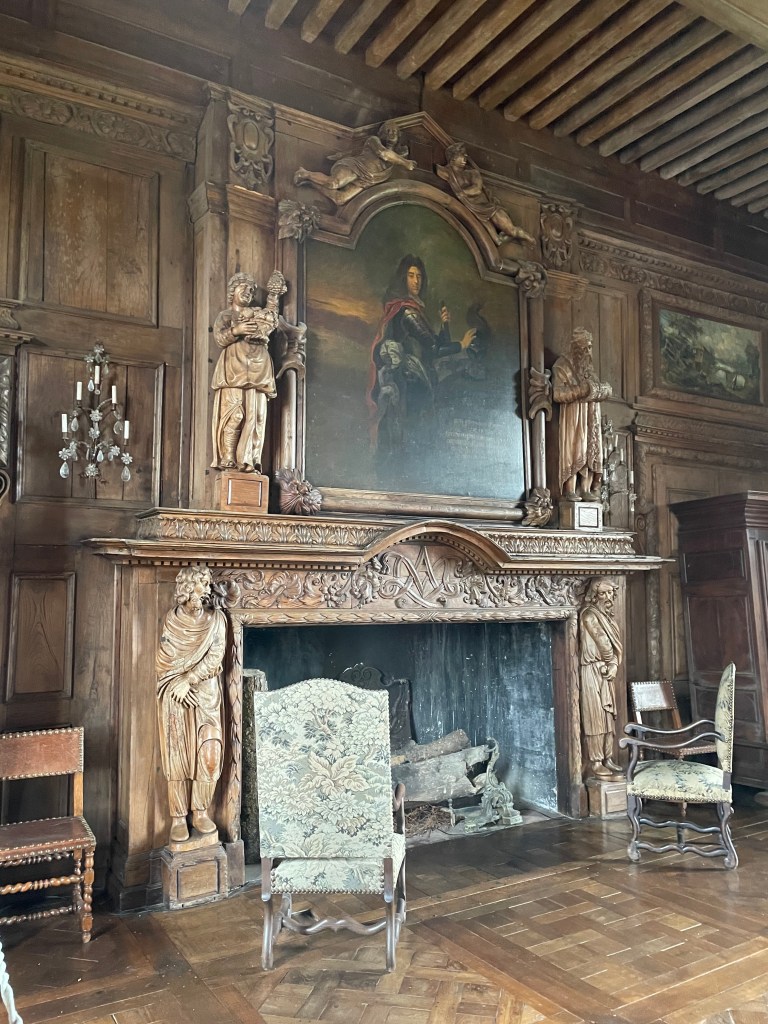
During the Renaissance period Château de Jumilhac was modified and became a luxury dwelling with large, impressive rooms. What you see today is a fairytale castle with eight different towers, terraces and French style gardens behind it. Inside is a mix of the austerity of the Middle Ages and Renaissance wealth. The present structure is down to Antoine Chapelle who made his fortune manufacturing arms for Henry IV during the Wars of Religion.
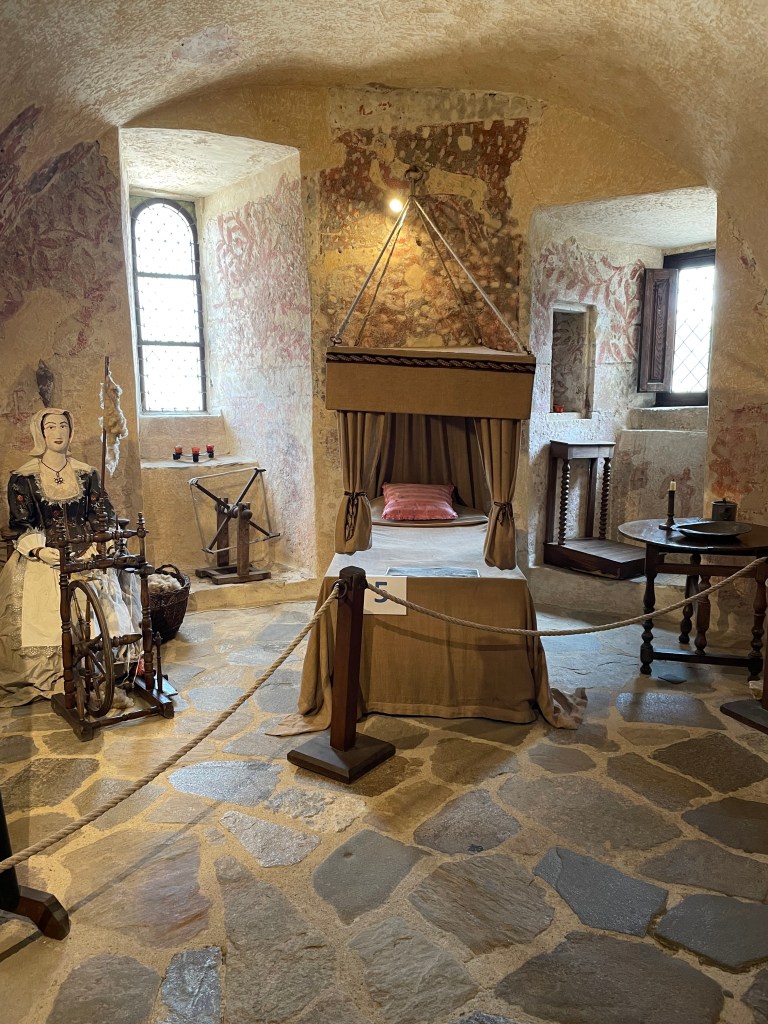
There is a story of the Spinner’s room. Louise de Hautefort (wife of the then Count of Jumilhac) was imprisoned in the room for 30 years (from 1618 to 1648) for her infidelity and during this time she painted the walls with frescos of animals and flowers. The shepherd who regularly came to her window to sell her wool was her lover in disguise and the spindles were used to carry secret messages between them. Legend has it that he was either killed in a duel or retired to a monastery. Inside the room there is a portrait of her holding a spindle. Her bed is so tiny.
Château de Jumilhac is situated in the town of Jumilhac-le-Grand approximately 20 kms north east of the town of Thiviers.
If you would like to read more about the Dordogne, you may like my book, My Dordogne Life, available on Amazon.
 Janice Croizet Author
Leave a comment